Hardware Encoder vs Encoding Server for 24-7 Streams: Which One Powers Your Continuous Broadcast?
In today’s live production landscape, especially in demanding environments like multi-camera studios and mobile-first platforms, the choice between a dedicated hardware encoder and an encoding server can make or break your stream’s reliability and quality. Whether you’re broadcasting nonstop poker tournaments for online casino apps or delivering live events optimized for mobile websites, understanding the strengths and limitations of each solution is critical.
Why Continuous Streaming Reliability Matters
Imagine your stream hitting hour 9 of a 24-7 broadcast with hardware suddenly overheating or your encoding server struggling under load. Downtime or quality dips cost viewers and revenue. The Society of Motion Picture and Television Engineers (SMPTE) sets rigorous standards that production environments aim to meet to ensure robust, high-quality video delivery.
Here’s the crux: multi-camera studio productions have unique demands — multiple high-bitrate video feeds, precise lighting and visual consistency across angles, plus the constant need to compress streams efficiently for mobile viewers without breaking a sweat.
Dedicated Hardware Encoders: The Solid Workhorses
Hardware encoders are purpose-built devices whose sole job is to convert video and audio feeds into compressed streams optimized for delivery. Vendors like MRQ are known for their high-performance hardware units tailored for pro broadcast and 24-7 streaming.
Pros of Dedicated Hardware Encoders
- Reliability: Designed for continuous operation with specialized cooling and internal redundancy.
- Low Latency: Hardware acceleration delivers encoding with minimal delay—valuable for live interaction.
- Consistent Quality: Stable outputs thanks to fixed processing pipelines reduce jitter and artifacting.
- Simplicity: Minimal configuration overhead; “set it and forget it” in many cases.
Challenges to Consider
- Scalability: Adding streams often means additional hardware units—a capital expense and rack space challenge.
- Flexibility: Firmware updates can bring improvements but major feature requests are limited compared to software.
- Heat Management: What happens when this box overheats at hour 9? Quality drops or shutdowns can occur without proper ventilation or active cooling.
Encoding Servers: The Software-Powered Champs
Encoding servers run on general-purpose hardware, leveraging configurable software encoders. This approach offers flexibility and easier scaling, especially important when targeting multiple devices and platforms, including varied mobile scenarios.
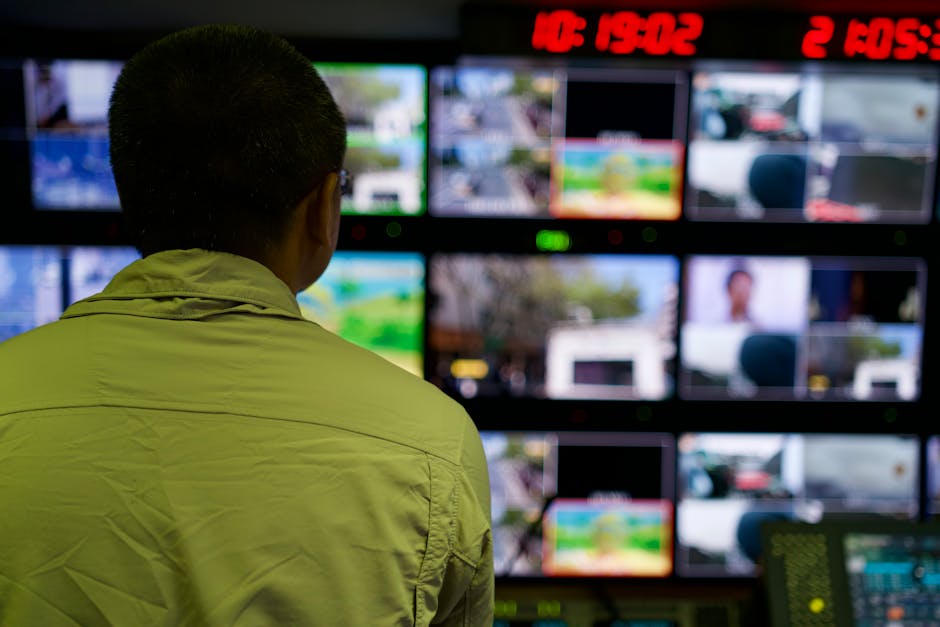
Advantages of Encoding Servers
- Modularity: Deploy multiple instance streams on a single server or across server farms.
- Rapid Updates: Software improvements and codec support can be added regularly without hardware swaps.
- Integration: Easier integration with enterprise-level automation, monitoring, and web-based control panels.
- Cost Efficiency: Uses off-the-shelf servers that can be repurposed.
Potential Pitfalls
- Resource Constraints: CPU/GPU bottlenecks can introduce encoding lag or dropped frames, especially in continuous 24-7 loads.
- Complexity: Multiple software layers increase points of failure and require skilled operators for tuning.
- Latency Variability: Dependent on server load and network conditions—sometimes problematic for live interactive content.
Navigating Multi-Camera Studio Production Needs
Multi-camera shoots require exactly synchronized, visually consistent streams. Lighting conditions and color grading must be uniform across feeds to avoid jarring transitions for viewers.
Hardware encoders excel here by maintaining a stable, locked encoding environment anchored in dedicated ASIC https://hardwaretimes.com/the-hardware-behind-modern-live-casino-streaming/ or FPGA chips, minimizing drift over time. Studios relying on MRQ hardware often praise their predictable performance under complex studio lighting conditions.
Encoding servers can achieve this as well, but constant monitoring and adaptive algorithms are necessary to keep encoding in check, especially when live operators switch camera angles or adjust the set dynamically.
Mobile-First Streaming Constraints
Streaming to mobile devices—like those accessing online casino apps or mobile websites—puts pressure on compressing streams efficiently without sacrificing clarity on small screens or draining user data plans.
- Bitrate Control: Dedicated encoders typically offer consistent bitrate profiles tuned for mobile viewers.
- Adaptive Streaming: Encoding servers can integrate with adaptive bitrate algorithms, dynamically adjusting streams for network fluctuations.
- Latency Balance: Hardware solutions prioritize low latency, but software servers may defer latency for smoother playback.
Encoding and Compression Tradeoffs
Both hardware encoders and encoding servers employ codecs like H.264, H.265, or AV1, but tradeoffs emerge:
Aspect Hardware Encoder Encoding Server Compression Efficiency Fixed hardware profiles, reliable but limited codec evolutions. Faster adoption of new codecs and optimizations. Latency Generally lower due to dedicated processing. Potentially higher and variable under load. Continuous Load Handling Engineered for 24-7 use, with heat and power management. Depends on server specs, cooling, and workload balancing. Upgrade Path Hardware refreshes required. Software updates prolong usable life.When to Choose What?
- If your priority is ironclad 24-7 uptime with minimal human intervention, especially in multi-camera pro studios—go hardware encoder.
- If your workflow demands scalability, codec agility, and integration flexibility, particularly when targeting diverse mobile device profiles—encoding servers shine.
- Hybrid models are emerging where hardware units handle base encoding, and servers provide overlays, packaging, or adaptive streaming.
Real-World Engineering Considerations
Before making a choice, ask yourself:
- What happens when this box overheats at hour 9? Is there sufficient airflow, fans, or temperature alerts?
- How do you keep video, data, and UI elements perfectly in sync across multiple feeds?
- Can your encoding pipeline sustain peak studio lighting changes without visual artifacts?
- Does your stream cater primarily to mobile-first viewers requiring aggressive compression?
- How do you monitor and automatically remediate encoding failures over long continuous runs?
Publications like Hardware Times provide in-depth hardware benchmarks for encoders under continuous loads, valuable when validating vendor claims.
Summary
There is no one-size-fits-all answer. Dedicated hardware encoders remain the gold standard for continuous, reliable streaming in controlled studio environments where low latency and consistent quality are paramount. Encoding servers offer unmatched flexibility and scalability, ideal for dynamic, mobile-focused streaming services.
Leveraging insights from organizations like SMPTE and field experience—as shared by companies such as MRQ—empowers you to make pragmatic choices tailored to your broadcast’s unique demands. Balance performance, manage heat, and plan redundancy carefully. After all, in 24-7 continuous streams, it’s the unseen engineering that keeps the show live.