Online Casinos vs Streaming Services: What’s Actually Similar?
At first glance, online casinos and streaming services might seem worlds apart — one a hub for games of chance, the other a gateway to endless video content. Yet, dig a little deeper, and you’ll find they share more in common than you might expect. Both have harnessed the power of smartphones and browsers to offer on-demand entertainment that fits the modern user’s schedule and lifestyle. They also lean heavily on user experience (UX) design shaped by streaming and social media habits, and leverage cutting-edge technology to wow users with visuals and sounds.
Let’s unpack the key similarities between these two entertainment categories, focusing on how they deliver on-demand libraries, personalized recommendations, and cross-device access — all wrapped in mobile-first convenience.
1. On-Demand Entertainment: Replacing The Old Schedules
Gone are the days when entertainment meant tuning in at a specific time. Streaming services like Netflix and Disney+ revolutionized how we consume content by providing huge on-demand libraries. Online casinos have taken a similar approach with their vast selection of games available anytime.
- Streaming services: Offer TV shows, movies, and documentaries that users can select and watch whenever they want. This flexibility unseated traditional TV schedules.
- Online casinos: Provide instant access to hundreds of slots, poker, blackjack, and other games available 24/7. Players are no longer bound to physical casino hours or locations.
This shift to on-demand means convenience and control are king. Smartphones and browsers make it possible to “pull” entertainment from a vast library right when the mood strikes, without waiting.
Example: From Live TV to Any Screen, Anytime
Consider how streaming services enable you to pause a show on your living room https://www.ottawalife.com/article/how-online-casinos-became-part-of-the-modern-entertainment-landscape/ TV, then pick it back up on your phone during a commute or lunch break. Online casinos mirror that flexibility by letting players jump in and out of games seamlessly across devices.
2. Mobile-First Access and Convenience
Both platforms have become mobile-first to meet the reality that more users consume media and games on smartphones than desktop. Mobile browsers and dedicated apps deliver smooth experiences focused on easy navigation and fast loading.
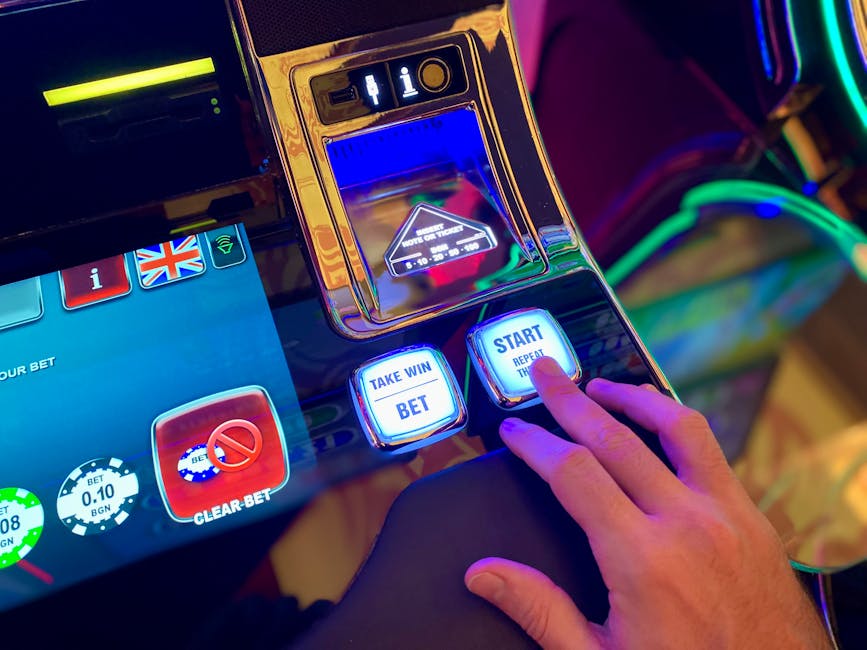
- Smartphones: The primary device for accessing both streaming and casino content. The portability means entertainment is never far away.
- Browsers: Modern mobile browsers support features like HTML5 and WebGL, allowing casinos and streaming sites to function without forcing app downloads.
Design teams know that users expect a streamlined experience on their mobile devices, from intuitive menus to quick-loading content. Many casinos now offer browser-based games that look and feel as polished as their app counterparts. Meanwhile, streaming platforms have optimized video compression and adaptive bitrates to reduce buffering on varied connection speeds — a standard now expected by casino streaming dealers and interactive games as well.
Concrete UX Pattern: Swiping and Scrolling
Swiping through game thumbnails on a casino site is not unlike browsing a Netflix catalogue on your phone. Both use horizontally scrollable lists, large tappable buttons, and clear text labels to help you find content quickly — a UX influence pulled straight from top social apps.
3. UX Expectations Shaped by Streaming and Social Apps
Users bring their habits and expectations from social media and streaming apps into their online casino visits. This means clarity, speed, personalization, and seamless navigation are non-negotiable.
For example, streaming platforms pioneered personalized dashboards, content previews, and easy “continue watching” features. Online casinos are mirroring this with personalized game recommendations, fast access to frequently played slots, and helpful onboarding tutorials presented with minimal friction.
- Recommendation algorithms: Just like Netflix analyzes viewing history, online casinos use player behavior data to suggest games you might like.
- Social features: Live dealer games and multiplayer options foster interaction, responding to users’ growing appetite for connection inspired by social networks.
- Clear Progression: Tutorials and progress trackers help newcomers ease in, reflecting the “learn as you go” ethos common in mobile gaming and streaming onboarding.
UX Design Example: The “Just One More” Moment
Streaming bingers know the magic of autoplay nudging you to the next episode. Many online casinos exploit a similar behavioural cue: when you win a small bet, the interface subtly invites you to try another spin or move to a higher stakes game, leveraging the smooth, fast feedback loop UX designers craft.
4. Game Technology Improvements: Graphics, Animation, Sound, and Themes
Both online casinos and streaming services invest heavily in technology, but in different ways that end up surprisingly parallel.
Aspect Streaming Services Online Casinos Graphics & Animation High-definition video (4K, HDR), smooth frame rates, advanced video codecs for detailed picture quality 3D-rendered slots, dynamic animations, smooth UI transitions, and interactive bonus scenes Sound Spatial audio, surround sound mixing, theme-based scores Immersive sound effects triggered by gameplay events, thematic background music to set mood Themes Diverse content genres from drama to sci-fi, tailored to audience tastes Varied slot and game themes tied to popular culture, fantasy worlds, movies, and musicInnovation in GPU acceleration and WebGL support means that even browser-based casino games can offer visuals rivaling native apps. Streaming services similarly optimize video delivery to provide crisp visuals without taxing mobile data — a subtle but essential achievement for mobile-first users.
Concrete Example: Immersion Through Technology
Imagine a slot game that reacts instantly with fireworks, growing animation complexity as you hit a jackpot, paired with rising music tension. It’s not unlike the impact of a well-produced streaming show's soundtrack building suspense. Both use layered audiovisual elements to create moments that feel rewarding and engaging.
5. Cross-Device Access: Seamlessly Moving Between Screens
Whether you’re watching a movie or playing poker, you expect your progress, preferences, and settings to follow you, no matter the device.
- Streaming platforms: Synchronize watching history across TVs, phones, tablets, and even some smartwatches.
- Online casinos: Maintain your account details, bonus progress, and game sessions synced so you can easily switch from desktop browser to smartphone app without loss of data.
This continuity relies on cloud-based user profiles and smart session management. It’s a standard that users demand today, born from the mobile and multi-device habits set by the streaming giant pioneers.

Insight: Why Cross-Device Matters
A user is likely to explore content on a big screen at home but continue casually gaming or streaming during a commute or coffee break. Losing track of their place or data between sessions would be frustrating and likely drive them away. Both industries have responded by prioritizing fluid transitions and consistent experiences.
Final Thoughts: More Overlap Than You’d Guess
When you cut through the surface, online casinos and streaming services share a core mission: delivering entertainment that fits the user’s lifestyle and expectations shaped by mobile and social platforms. They both offer vast on-demand libraries, personalized recommendations, seamless cross-device access, and UX designs that leverage modern tech advances in graphics and sound.
Smartphones and browsers play a starring role, enabling anywhere-anytime access without clunky installs or platform lock-in. As these industries continue evolving, expect even more user-friendly features, deeper personalization, and richer multisensory experiences, making entertainment as accessible and engaging as your favorite streaming night or casino session.