Which Sea Creatures Are Most ‘Iconic’ for Slot Symbols and Why
In the colorful world of online slots, marine life often takes center stage—offering players a vivid escape with familiar aquatic friends flashing across the reels. But why do certain sea creatures, such as the lobster, crab, and shark, dominate the iconography of slot games? As a chef who’s spent years chasing flavors from the bustling fish markets of Jamaica to the calm reef fish stalls of Nigeria, I always find it fascinating when the sea’s silhouettes and palettes make their way into game designs.
Using resources like the extensive online casino game catalogue browsing at MrQ and diving deep into the Western Australian Museum’s marine exhibit and gallery pages, this post explores how fishing narratives, distinct silhouettes, and mood settings shape the iconic status of sea creatures in slot symbols. Grab your metaphorical fishing rod—it's going to be a captivating haul.
Fishing as Built-In Suspense and Story Structure in Slot Design
The very act of fishing knowseafood.com inherently carries suspense—anticipating the thrill of the catch or the frustration of an empty line. This tension naturally translates into slot game mechanics, where players ‘cast their bets’ hoping for the big catch. Slot designers cleverly incorporate this emotional arc, making fishing-themed slots much more than mere visual gimmicks.
Consider the story structure embedded in these games:
- The Wait: Spinning reels as the ocean currents, building suspense.
- The Bite: The moment a player hits a winning combination mimicking the thrill of a fish taking the bait.
- The Haul: Bonus features or jackpots representing the big catch.
Sea creatures like lobsters and crabs fit perfectly into this narrative; they are known as highly prized catches with a ritualistic harvesting element—think of lobster traps and crab pots. The shark, meanwhile, represents danger and unpredictability, injecting more drama into gameplay. This storytelling synergy between fishing and slot mechanics keeps players hooked.
Recognizable Silhouettes and Bright Marine Color Palettes
When it comes to slot symbols, instant recognition is key. Players need to identify high-value icons at a glance. This is where the distinct silhouettes and color palettes of creatures like lobsters, crabs, and sharks shine the brightest.
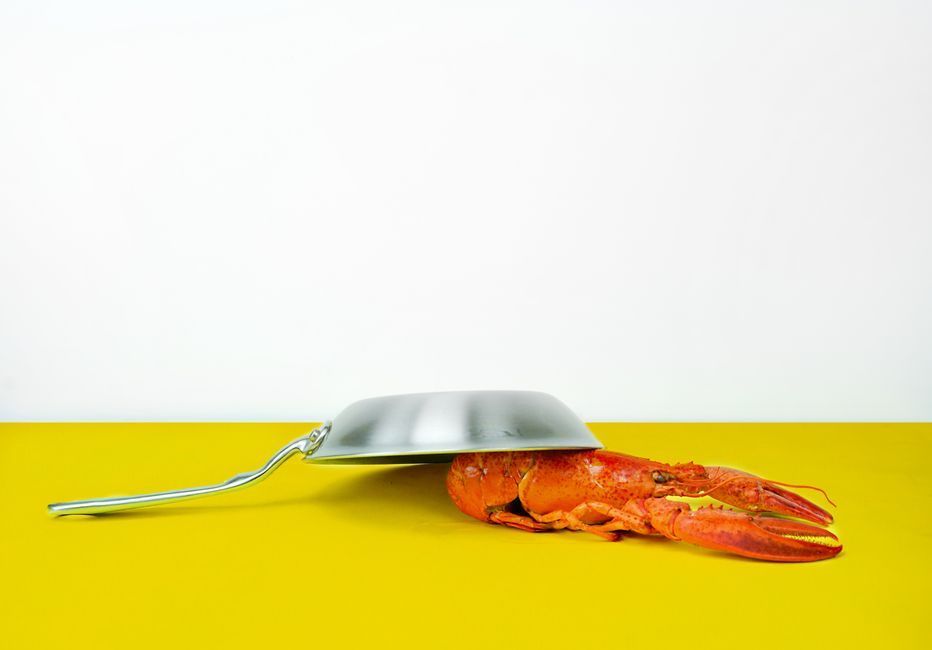
- Lobster: Its prominent claws and armored shell make a striking shape that’s immediately identifiable, even at small icon sizes. The deep reds to vivid orange tones offer a vibrant pop against watery blue or sandy backgrounds.
- Crab: The crab’s round body and claw extensions create a balanced, symmetric silhouette. Bright reds or sunsets hues make it colorfully eye-catching. Its sideways gait also adds a playful, quirky character in animations.
- Shark: The powerful, streamlined body with a trademark dorsal fin cuts a silhouette recognizable in any setting. Grays to steely blues underscore the primal mood the shark invokes—both awe and caution.
The Western Australian Museum’s marine exhibits provide clear photographic references and artistic interpretations of these species, underscoring why their shapes and colors translate so well into the pixelated reels of modern slot games.
Comparing Iconic Shapes: Lobster, Crab, and Shark
Sea Creature Distinctive Silhouette Elements Color Palette Examples Symbolic Meaning in Slots Lobster Large pincers, segmented tail, antennae Deep red, bright orange, darker shell accents Valuable catch, endurance, bounty Crab Rounded carapace, paired claws, sideways leg posture Bright red, sunset orange, sand tones Playfulness, luck, balance Shark Streamlined body, dorsal fin, pointed snout Gray, steely blue, white underbelly Danger, power, unpredictabilityBig Catch as a Natural Bonus-Feature Metaphor
Many slot games feature “bonus rounds” where players try to land extra prizes or multipliers. Sea creatures symbolizing the big catch are often tied to these bonus features, effectively making them visual metaphors for luck and payoff.
For example, a lobster might trigger a “trap” mechanism where players catch multiple symbols at once, symbolizing a bountiful haul after much patience. Meanwhile, the shark might unlock a high-risk, high-reward bonus, reflecting the tension of fishing in shark-infested waters.
By leveraging the cultural and symbolic weight of these creatures, game designers cleverly deepen player engagement. Players intuitively know that landing a lobster or crab on the reel means a chance to haul in more winnings—much like real fishermen anticipate their prize catch.
Mood Control: Calm Leisure vs Danger vs Hard Work at Sea
The mood of a slot game—whether it’s the tranquil calm of a seaside pier, the looming threat of a stormy deck, or the tireless grind of crab pots and lobster traps—is critical in defining player experience. Let’s break down how these moods are portrayed through sea creature icons:
- Calm Leisure: Depictions of colorful crabs or small tropical fish swimming serenely among coral reefs evoke relaxation. These symbols often appear in lighter, casual games aiming to provide a soothing escape.
- Danger: The shark symbolizes a predatory presence—introducing tension and excitement. Darker color schemes and sharper lines contribute to a more thrilling, high-stakes mood.
- Hard Work at Sea: Lobsters and crabs often appear with fishing gear—traps, nets, pots—signifying the laborious yet rewarding effort it takes to bring in the catch. This grounding in realism brings narrative depth to the gameplay.
This “mood control” is echoed by the visual cues and stories that slot developers pick up from museum exhibits and the real-world lore surrounding these animals. The Western Australian Museum, for instance, notes the ecological and cultural histories behind species like these, influencing how designers portray mood and context.
Why the Trio: Lobster, Crab, and Shark Dominate Slots
Through my time exploring gaming catalogues on MrQ and examining marine collections at the Western Australian Museum, it’s clear that the lobster, crab, and shark hit a sweet spot of:
- Instant Recognition: Their distinct shapes and colors ensure players instantly know which symbols matter most.
- Symbolic Storytelling: Each represents a different facet of the fishing experience—patience and reward (lobster), luck and fun (crab), and risk/danger (shark).
- Emotional Mood Setting: Together, they allow games to shift fluidly between chill, tense, or hardworking moods, keeping gameplay fresh and immersive.
While many other sea creatures appear as slot symbols, these three have become iconographic staples precisely because they pack such layered meaning in their streamlined forms.
A Final Word: Appreciating the Iconic Sea in Slots Without the Filler
As someone who’s both a literal and figurative observer of seafood’s cultural footprints—from Jamaica's coastal kitchens to Nigeria's vibrant fish stalls—it’s refreshing to see slot games avoid marketing buzzwords and filler, instead opting for imagery that genuinely resonates. The best fishing-themed slots, as seen through the lenses of MrQ’s modern catalog and the Western Australian Museum’s archival depth, embrace simplicity and authenticity in their choice of iconic creatures.
So next time you spin past that bright red lobster, quirky crab, or sleek shark symbol, appreciate not just the visual pop, but the story, mood, and heritage locked within these reels. It’s a reminder that even in pixels, the sea still tells its unforgettable tales.
Written by a chef and seafood culture enthusiast since 2021, drawing inspiration from coastal flavors and marine tales worldwide.